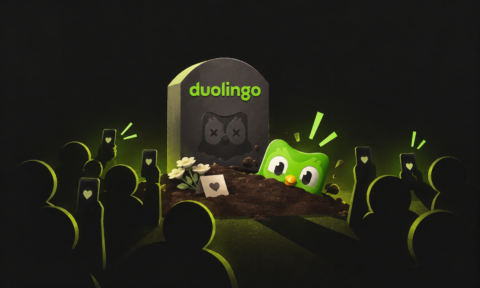
Someone on your team still adds 30 hashtags to every post. Someone else swears hashtags are killing your reach. Both are wrong, and the truth is a lot more boring than either of them thinks.
Summary
Instagram hashtags are not dead, but they are no longer a reach tool. Instagram’s leadership has said hashtags help categorise a post, not push it to more people. Reach now depends mostly on whether people watch, share, save and reply. Use a few relevant hashtags for labelling, and put real effort into your caption keywords, hook and content instead.
Internet Culture · Overthinking Marketing · 001
The belief: “Hashtags are dead, or hashtags are the secret to reach.”
The honest answer: Neither. They’re labels, not levers.
Why this is worth ten minutes
- Teams waste hours researching Instagram hashtags that barely move reach.
- The thing that actually replaced hashtags is sitting in your caption, and most people ignore it.
- Once you understand how Instagram decides what to show, the hashtag debate stops mattering.
1 The room
A social media manager presents last month’s numbers. Reach is down. The founder asks why.
The answer offered is hashtags. “We should use more.” Someone else says, “No, hashtags are dead. We should use none.” A third person suggests a “banned hashtag” checker.
Forty minutes later, the team agrees to test 15 hashtags instead of 30.
Nobody talks about the fact that the last six posts were product photos with no hook, posted at random times, that nobody had any reason to share.
The hashtags were never the problem. They were just the easiest thing to argue about.
2 Are hashtags dead on Instagram, or is that a myth?
Hashtags aren’t dead. They’ve just been demoted.
Years ago, Instagram hashtags were one of the main ways people found new content. You tapped #travel and saw a stream of posts. Using the right hashtags really could put you in front of strangers.
That world is mostly gone. Today, most discovery on Instagram happens through recommendations: Reels, the Explore page and suggested posts. Instagram’s systems pick what to show based on how people behave, not which tags you added.
Adam Mosseri, who runs Instagram, has said this plainly in his public videos and Q&As. Hashtags help Instagram understand what a post is about. They don’t meaningfully boost how many people see it.
So the honest answer to “are hashtags dead on Instagram” is this: hashtags are alive, but they work like a filing label on a folder. The label helps the post get sorted. It doesn’t make anyone want to open it.
3 What actually drives Instagram reach now?
If hashtags aren’t the lever, what is?
People watching. For Reels especially, how long people watch matters a lot. A video people scroll past in one second tells Instagram it isn’t worth showing to more people.
People sharing. Sends by DM are one of the strongest signals there is. When someone sends your post to a friend, they’re saying “this is worth your time” in the most personal way possible.
People saving. Saves show the post has lasting value. Carousels with useful tips get saved a lot.
People replying. Comments and replies, especially real conversations, show the post started something.
Who already follows you. Your followers usually see your post first. How they react helps decide whether it goes wider.
None of these are hashtags. All of them depend on whether the post is actually worth someone’s time.
THE LABEL NOT LEVER RULE
Hashtags tell Instagram what your post is. They don’t make anyone want to see it. Spend your effort where reach actually comes from.
Rule 1. Use a few, and make them accurate. Three to five specific hashtags that genuinely describe the post. Not 30 generic ones.
Rule 2. Put the real work into the hook. The first second of a Reel and the first line of a caption do more for reach than any hashtag.
Rule 3. Write captions people can search. Use the words someone would type to find your post. That’s where Instagram SEO lives now.
4 The mechanism stack
01. Instagram search reads your caption. People now use Instagram’s search bar a lot like Google. Instagram matches searches against captions, account names, bios and on-screen text, not just hashtags. A caption that says “easy 10 minute breakfast ideas for office days” is searchable. A caption that says “Monday mood ☀️” isn’t. This is the quiet core of Instagram SEO.
02. Too many hashtags can look like spam. A wall of 30 generic tags under a post doesn’t help, and it can make the post look low effort to the people reading it. Instagram has also tested limiting the number of hashtags per post, which tells you where things are heading.
03. Generic hashtags are crowded. A tag like #love or #instagood has hundreds of millions of posts. Your post is visible there for a few seconds at most. Even back when hashtags mattered more, these giant tags rarely helped anyone.
04. Specific hashtags still help with sorting. A niche, accurate tag like #punefoodblogger or #d2cbranding can still help Instagram understand where your post belongs. Think of it as giving the system a hint, not a shove.
05. Your posts can now show up outside Instagram. Instagram has started letting public posts from professional accounts appear in search engines like Google. That makes clear, descriptive captions even more useful. A post that explains itself in words can be found by more people, in more places.
5 The counter-weight
Hashtags still matter in some places. Events, campaigns and communities use branded hashtags to collect posts in one place. A college fest, a brand contest or a city meetup can still use a hashtag to gather everyone’s content. That’s organising, not reach, but it’s real value.
Niche communities still browse tags. Some small, passionate groups still tap hashtags to explore, like certain art, hobby and fitness communities. If your audience is one of them, a few accurate tags are worth it.
Instagram changes often. What’s true this year may shift next year. Treat any “this is exactly how the algorithm works” claim with care, including ours. The basic idea that good content earns reach has stayed steady through every update.
The “shadowban” panic is mostly misplaced. People blame hidden bans for reach drops. Usually the real reason is simpler: the content got less engaging, posting got less regular, or the audience changed. Instagram does limit accounts that break its rules, and you can check this in your Account Status settings, but most reach drops have nothing to do with it.
Internet Culture verdict desk
Arguing about hashtags is comfortable, because it lets a team avoid the harder question: was the post actually worth sharing?
6 Steal this
01. Cut your hashtags to three to five accurate ones per post. Track reach for a month. You’ll likely see no drop.
02. Rewrite your next five captions so the first line contains the words someone would actually search.
03. Add clear on-screen text to Reels that says what the video is about in plain words.
04. Look at your top five posts by shares and saves, not by likes. What do they have in common? Make more of that.
05. Check Account Status in your Instagram settings once. If there’s no issue there, stop blaming a shadowban.
06. Use one branded hashtag only for things that need gathering: contests, events, community posts.
7 Frequently asked questions
Are hashtags dead on Instagram?
No. Instagram hashtags still exist and help categorise posts, but they no longer meaningfully increase reach. Most discovery now comes from recommendations based on how people watch, share, save and reply to content.
How many hashtags should I use on Instagram?
Three to five relevant, specific hashtags are usually enough. They help Instagram understand the post. Adding 20 or 30 generic hashtags rarely helps and can make a post look spammy.
Do Instagram hashtags increase reach?
Not by much. Instagram’s leadership has said hashtags mainly help with categorising content. Reach is driven far more by watch time, shares, saves and comments than by hashtags.
What is Instagram SEO?
Instagram SEO means writing captions, names, bios and on-screen text using words people actually search for, so your posts show up in Instagram search. Public posts from professional accounts can also appear in search engines, which makes clear captions even more useful.
Why did my Instagram reach drop suddenly?
The most common reasons are less engaging content, irregular posting, weaker hooks in the first seconds, or changes in what your audience responds to. Check your Account Status in settings to rule out any rule-related limits, then review which recent posts got shared and saved.